

Regarding flooring selections which blend sturdiness with design appeal, epoxy surfaces stands out as a top choice for property owners and business owners alike. This versatile material, commonly found in carports and lower levels, offers a contiguous surface which is not only simple to care for while also tough against stains and abrasions. As you delve deeper into the realm of epoxy floors, you will uncover a range of textures and shades capable of matching any interior design and providing a long-lasting choice for high-traffic areas.
A major benefit of garage floor epoxy is its capacity to withstand the wear and tear of daily use. Whether it be the load from cars, spills from tools, or the unavoidable marks from equipment, epoxy flooring is designed to hold up. Likewise, epoxy in basements turns neglected areas into functional and attractive locations. With its resistance to moisture, epoxy can help prevent issues like mold and mildew, making it an superior choice for moist areas. Investigating the advantages of epoxy floors reveals why it is growing in acceptance in homes and commercial settings alike.
What is Epoxy Flooring
Epoxy flooring is a durable and flexible flooring option made from a mixture of resin and hardener. This combination creates a durable, chemical resistant surface that can handle intense foot traffic, making it ideal for multiple applications such as commercial spaces, carports, and cellars. Epoxy floor installation, involves putting on the epoxy mixture to a concrete substrate, where it adheres and cures, resulting in a seamless and tough surface.
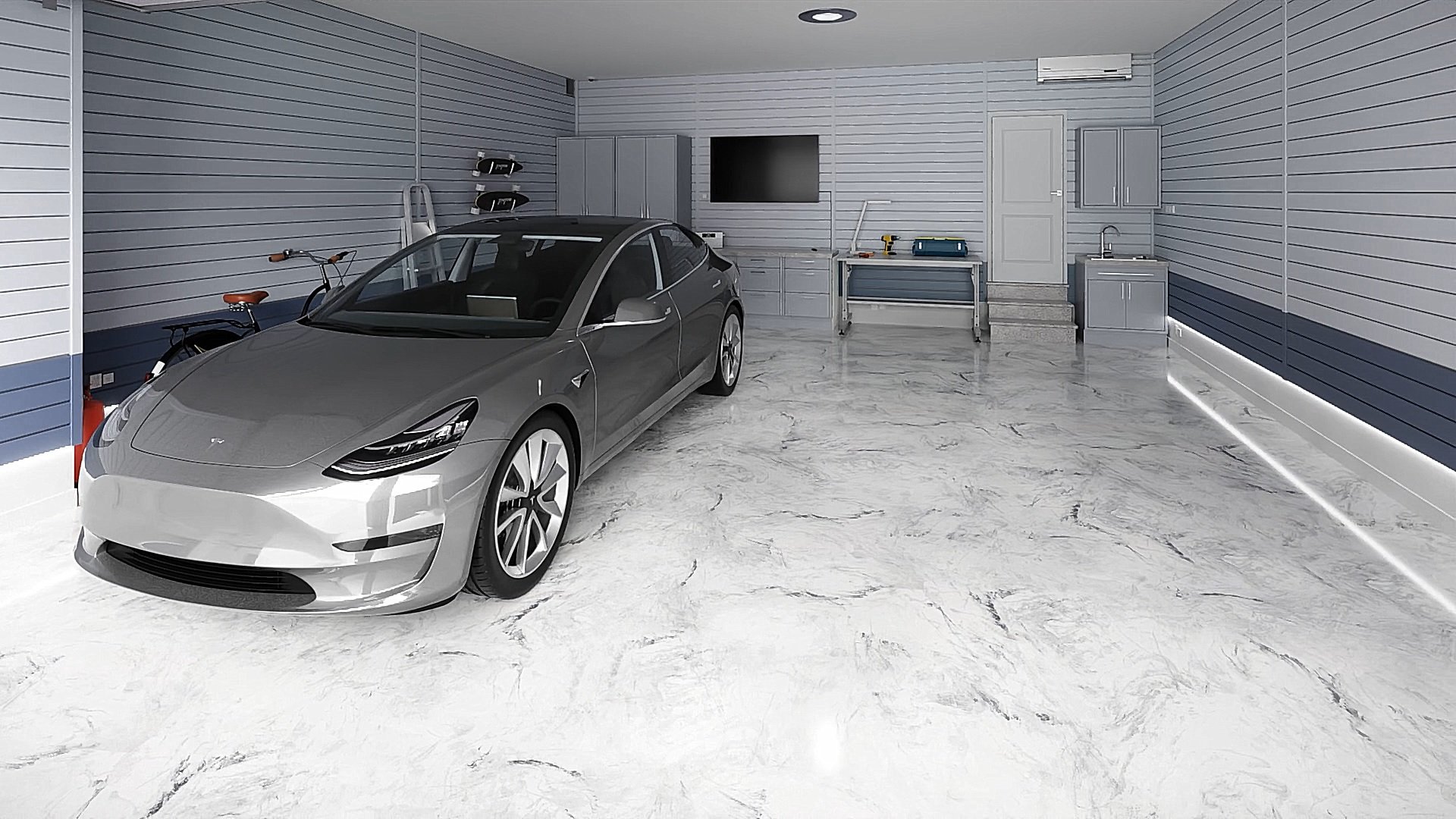
One of the primary features of epoxy floors is their glossy finish, which not only improves the aesthetic appeal but also bounces back light, making spaces appear brighter and more open. Available in a broad range of colors and designs, epoxy flooring offers customization to match personal preferences and decor. Homeowners and business owners alike are more and more turning to epoxy flooring for its mix of functionality and style.
Moreover, epoxy for garage floors and epoxy for basements offer further benefits, such as moisture resistance and ease of cleaning. These features make epoxy an excellent choice for areas prone to spills and stains, ensuring that your floors stay in good condition for many years to go by. Overall, epoxy flooring merges beauty with practicality, making it a leading contender for contemporary flooring solutions.
Perks of Epoxy Floors
One of the main benefits of epoxy flooring is its durability. Epoxy floors are engineered to endure heavy loads and withstand wear from foot traffic, making them ideal for high-traffic areas such as garages and business settings. Their ability to resist impact, stains, and chemicals also adds to their life span, providing a surface that maintains its appearance and performance over an extended period.
Another important benefit is the ease of maintenance connected with epoxy flooring. The sleek surface of epoxy floors makes cleaning a quick job, as spills can be cleared up quickly without the need for extensive scrubbing. This is especially advantageous in environments such as storage areas and garages, where spills and stains are more likely to happen. Regular maintenance generally involves only periodic mopping to keep the floors looking flawless.
Epoxy flooring also offers aesthetic flexibility, allowing homeowners and business owners to create a tailored look that suits their space. With a wide array of shades, textures, and designs available, epoxy floors can elevate the overall appearance of any room. Whether you are looking to obtain a modern look or a more classic appearance, garage floor epoxy flooring options can accommodate various stylistic tastes.
Implementations of Resin Flooring
Epoxy flooring has garnered recognition in various environments due to its adaptability and strength. One of the most common applications is in residential garages. Residential floor epoxy not only boosts the aesthetics but also provides a robust and tough surface that can bear large cars, oil spills, and harsh chemicals. Homeowners often opt for resin to get rid of the dirt and flaws associated with conventional concrete floors, creating a tidy and usable space.
Moreover noteworthy use of epoxy floors is in commercial and manufacturing environments. Manufacturing plants and warehouses benefit from the resin's ability to withstand a high level of pedestrian and vehicle movement. The anti-slip surface ensures safety, while the seamless design reduces the likelihood of pollution and makes cleaning easier. Businesses often spend in resin floors to improve not only security but also the overall visual appeal of their workspace, creating a professional atmosphere.
Lower level epoxy flooring is also becoming more popular among homeowners. Cellars are liable to moisture and temp changes, which can lead to issues like mold and decay. Resin coatings create a moisture-proof barrier, protecting the underlying concrete, halting damage, and permitting homeowners to utilize their basement space. This makes it an excellent choice for creative uses, such as home gyms, children's zones, or even an entertainment space.
Installation Procedure Outline
The application of resin surfaces involves various critical steps to secure a long-lasting and visually appealing finish. Initially, Epoxy floor coating, is important to get ready the substrate where the epoxy will be used. This setup typically entails purifying the area thoroughly, removing any old flooring, and mending cracks or flaws in the concrete. A clean and level surface facilitates the epoxy bond properly, which is vital for the durability of the floor.
After the surface preparation is finished, the next step is the putting down of a primer or base coat. This coat improves the bonding of the epoxy to the concrete and can also provide extra moisture control. Depending on the kind of epoxy flooring selected, this base coat may need to cure for a particular period before moving on to the topcoat layer. Proper setting is essential, as it forms the foundation for the final finish.
After the primer has set, the second layer of epoxy is applied. This layer can be customized in terms of hue and texture, allowing for imaginative design options. Once the topcoat is put down, it needs to set as well, usually for a few days. In the course of this time, it's crucial to keep the area free from water and heavy traffic to achieve the highest possible results. Following these steps will ensure a stunning and durable epoxy floor, whether in a automobile storage or as basement epoxy flooring.
Care Tips for Epoxy Floors
To maintain your epoxy flooring looking its best, consistent cleaning is crucial. Broom or hoover the surface regularly to remove dirt and debris that may cause scrapes. For more thorough cleaning, use a pH-neutral cleaner mixed with water and a soft mop or cloth. Avoid abrasive cleaners or tools that can damage the epoxy finish. By maintaining a consistent cleaning routine, you can ensure your epoxy floors stay shiny and appealing.
In addition to routine cleaning, it is crucial to handle spills promptly. While epoxy floors are immune to stains, certain substances like oils or chemicals can still cause color change if left unattended. Wipe up spills immediately with a cloth or paper towel. For stubborn stains, a gentle scrub with warm soapy water can be helpful. Keeping your flooring clean not only enhances its appearance but also extends its lifespan.
Lastly, periodic inspections of your epoxy flooring can help spot any issues early on. Look for signs of wear, such as scratches or chips, especially in high-traffic areas like garage floor epoxy or basement epoxy flooring. If you notice any issues, consider applying a touch-up coat to maintain the integrity of the floor. By investing a little time in upkeep, you can enjoy the enduring beauty and durability of your epoxy flooring for a long time to come.